The Romanesque Church
The first references to a church in Żary date back to 1207. It is highly probable that they refer to a church located on the site of today’s Fara Church. However, no visible remains of this earliest building have survived.
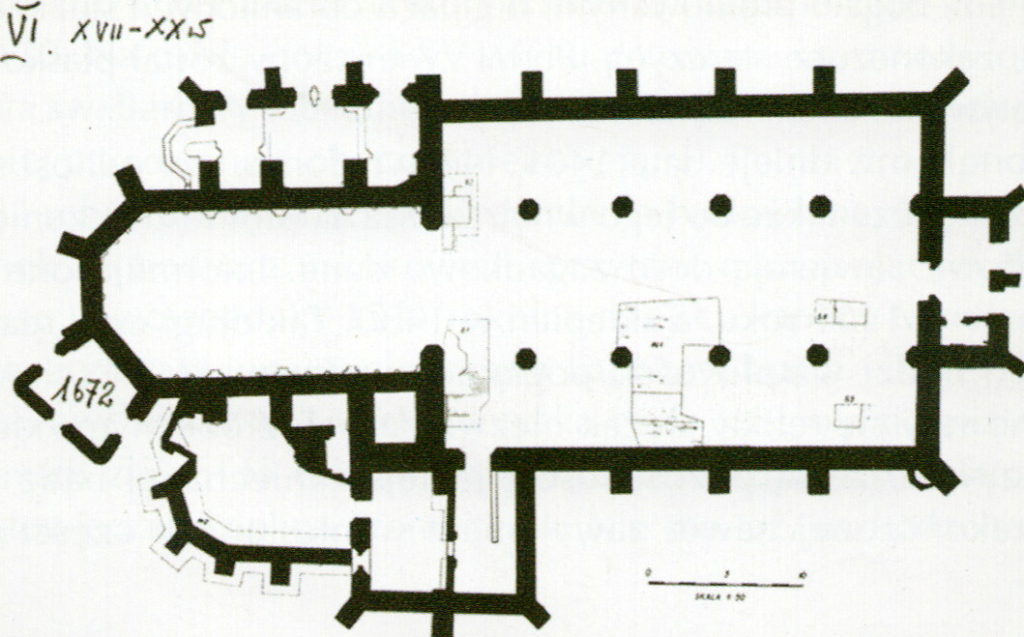
Around 1230–1240, another church was erected on the site of the earlier one, fragments of which have survived to the present day. They are located on the northern side of the presbytery. It was a large, brick, two-aisled church with external dimensions of the nave body of approximately 26.30 × 15.80 m, with a presbytery about 4 m narrower.
The interiors were covered with wooden ceilings. In the nave body, the ceilings rested on three pillars placed along the centre. Around 1280, a four-sided stone tower was added in the corner between the nave and the presbytery.
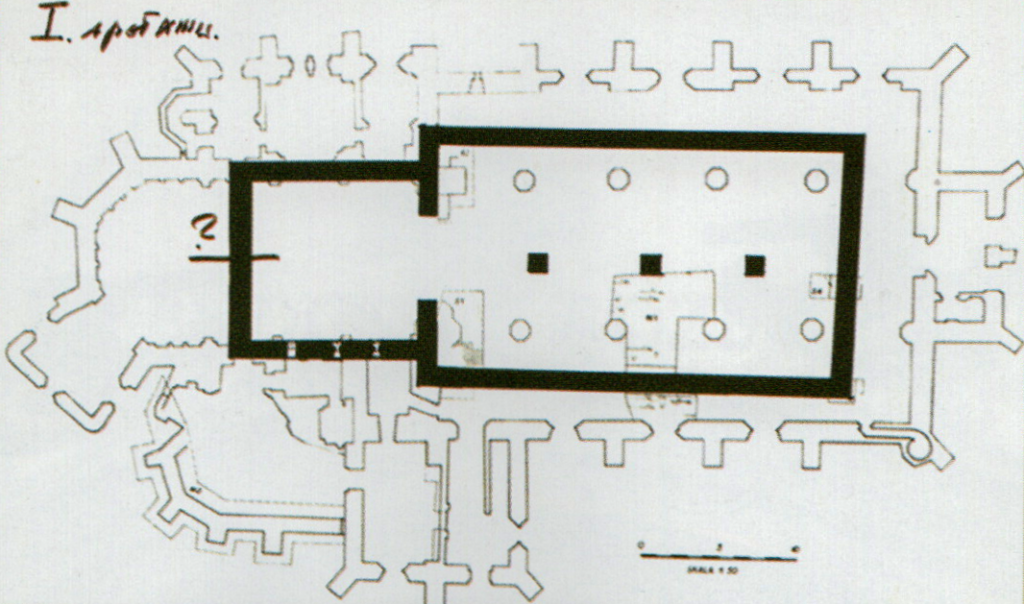
Source: Cz. Lasota, J. Rozpędowski, after: S. Kowalski, Kościół farny w Żarach, Żary 2007.
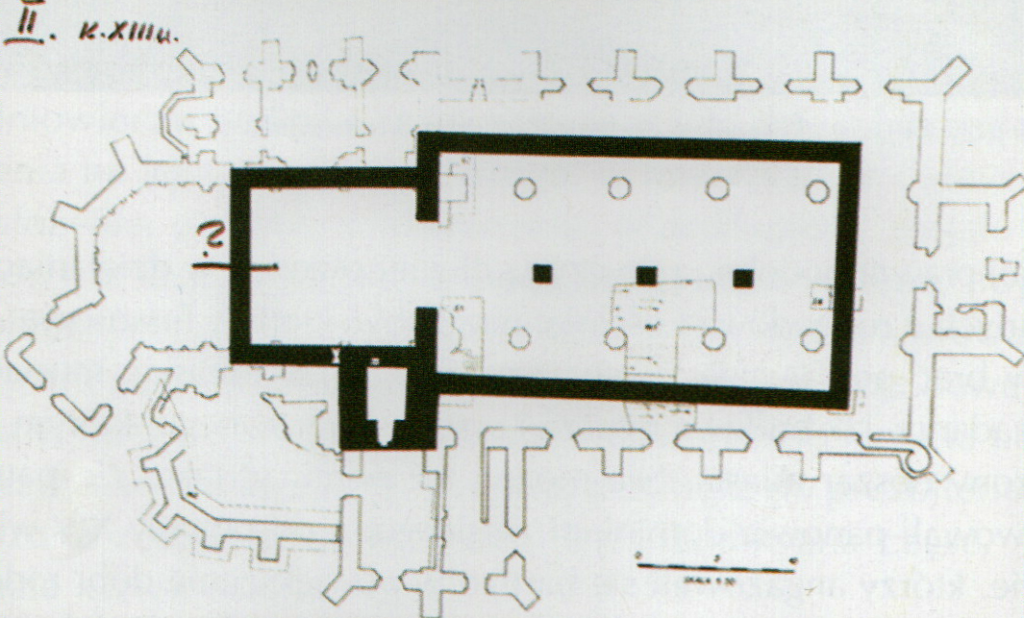
The church after the addition of the tower at the end of the 13th century.
Illustration source: Cz. Lasota, J. Rozpędowski, after: S. Kowalski, Kościół farny w Żarach, Żary 2007.
The Gothic Church
By the end of the 13th century, the Romanesque church had become too small for the growing community. Its expansion therefore began, most probably initiated by the parish priest Baldwinus.
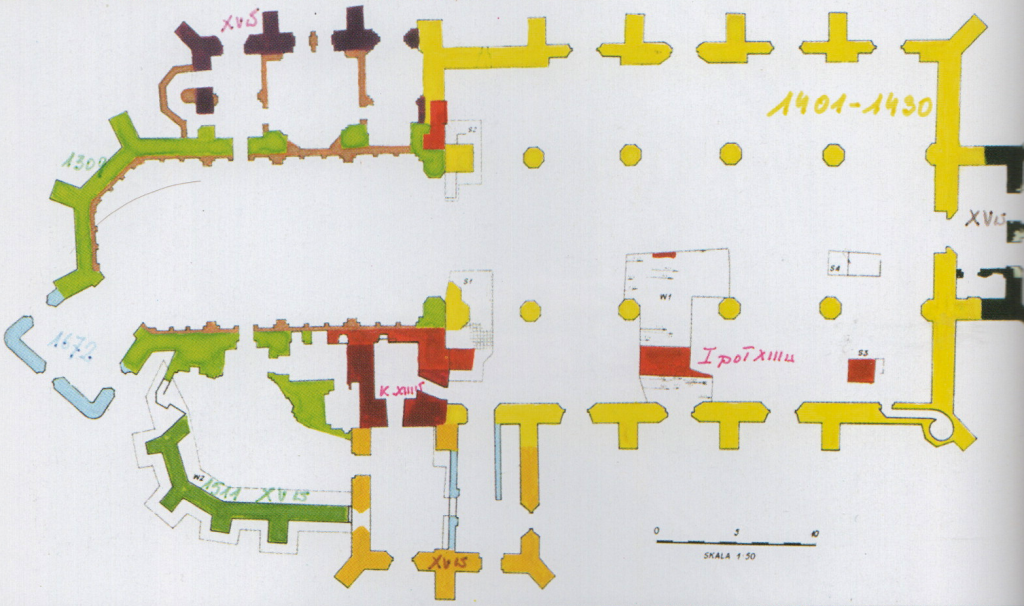
The works began with the demolition of the existing presbytery. In its place, a larger one was built, already in the Gothic style. The new presbytery had four bays, was closed on three sides and covered with a ribbed cross vault. The buttressed elevations were pierced with tall, three-light windows with pointed, profiled reveals. Two pointed brick portals led into the interior — from the north and from the south.
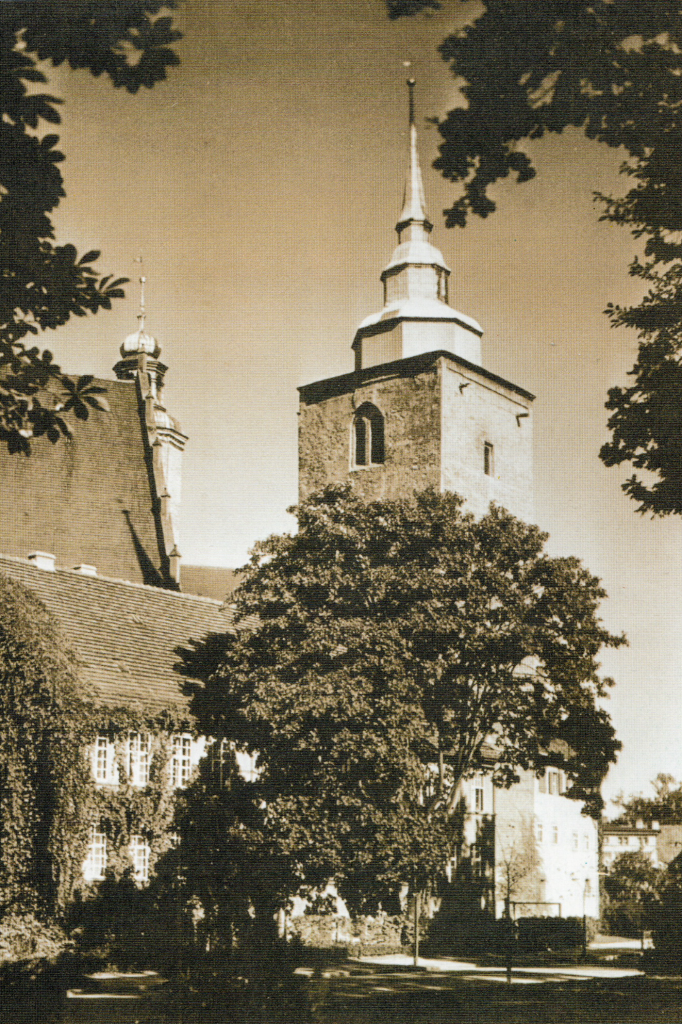
The consecration of the new presbytery took place in July 1308. As part of this stage of construction, the sacristy and the Marian Chapel were also built, adjoining the presbytery from the north. The tower was also raised; its new brick upper section was given an octagonal form.
After these works were completed, further expansion of the church was suspended for some time. It resumed only in the last decade of the 14th century. At that time, the nave body was rebuilt, giving the Fara Church greater stylistic unity. The form of the naves then took shape, and in its basic outline it has survived to the present day, later extended by the western porch.
The side elevations were divided by a rhythm of buttresses and tall windows. On the transverse axis, from the north and the south, ceramic portals with profiled reveals and pointed-arch closures were placed. The upper parts of the nave walls were decorated with ceramic friezes — a rosette frieze and an arcaded frieze running beneath the eaves.
Particularly impressive is the western gable of the church, shaped in a stepped form, decorated with pinnacles and densely arranged blind arches. The main entrance to the church was framed by a richly profiled stone portal. Above the portal is the date 1401, regarded as the date of completion of the naves. The vault was completed in 1430. At that time, the interior of the hall church acquired an appearance essentially close to its present form.
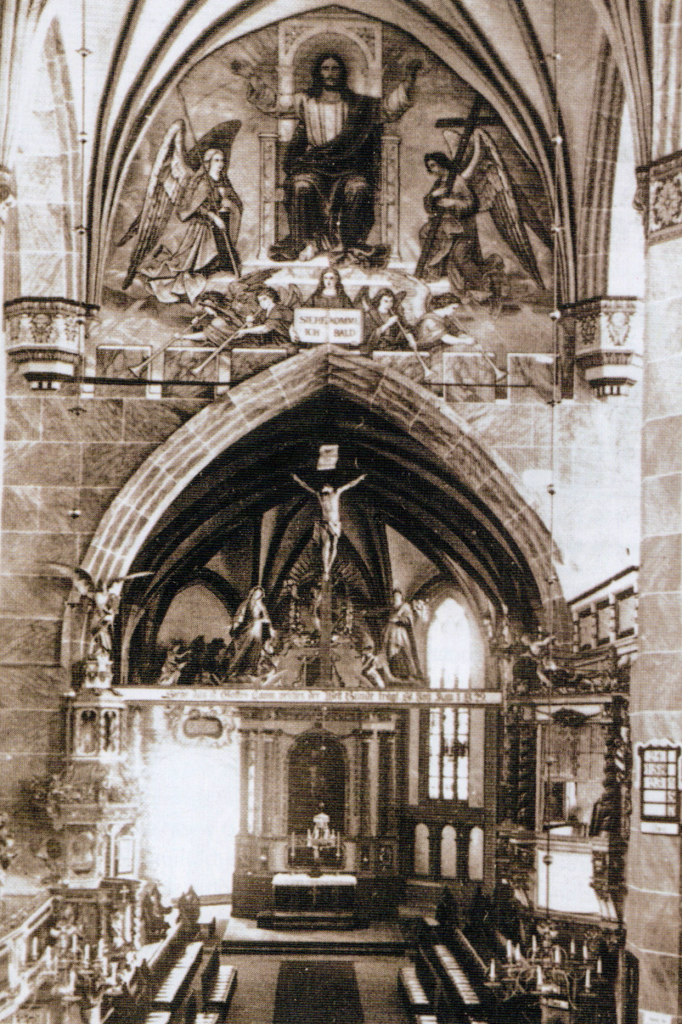
The interior of the church is divided by slender, octagonal pillars supporting the vaults and pointed inter-aisle arcades. Due to the strongly differentiated scale of the nave body and the presbytery, the two parts are connected by an unusually low rood arch.
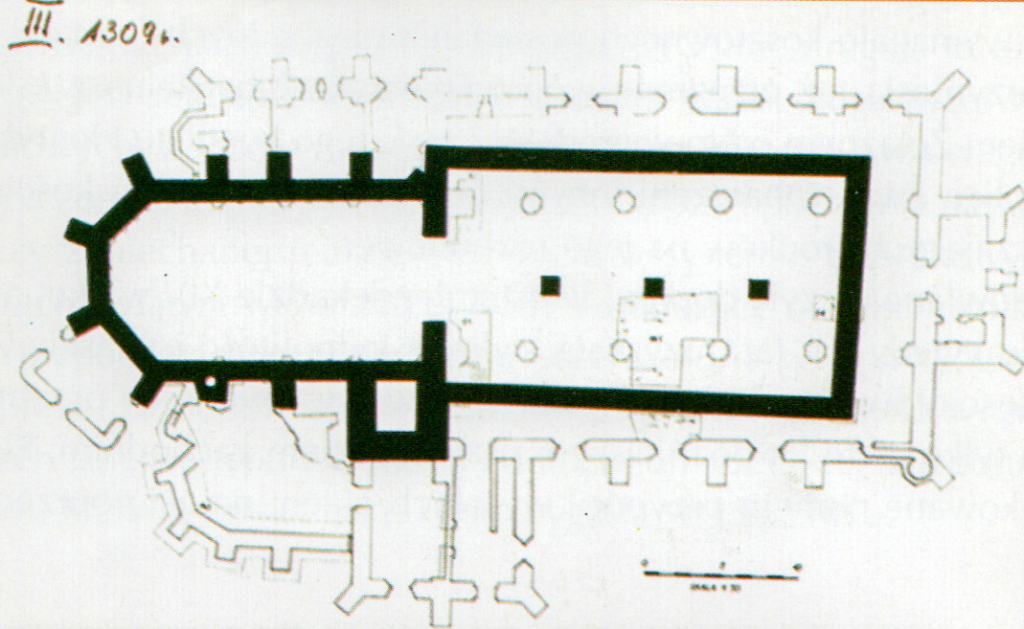
Source: Cz. Lasota, J. Rozpędowski, after: S. Kowalski, Kościół farny w Żarach, Żary 2007.
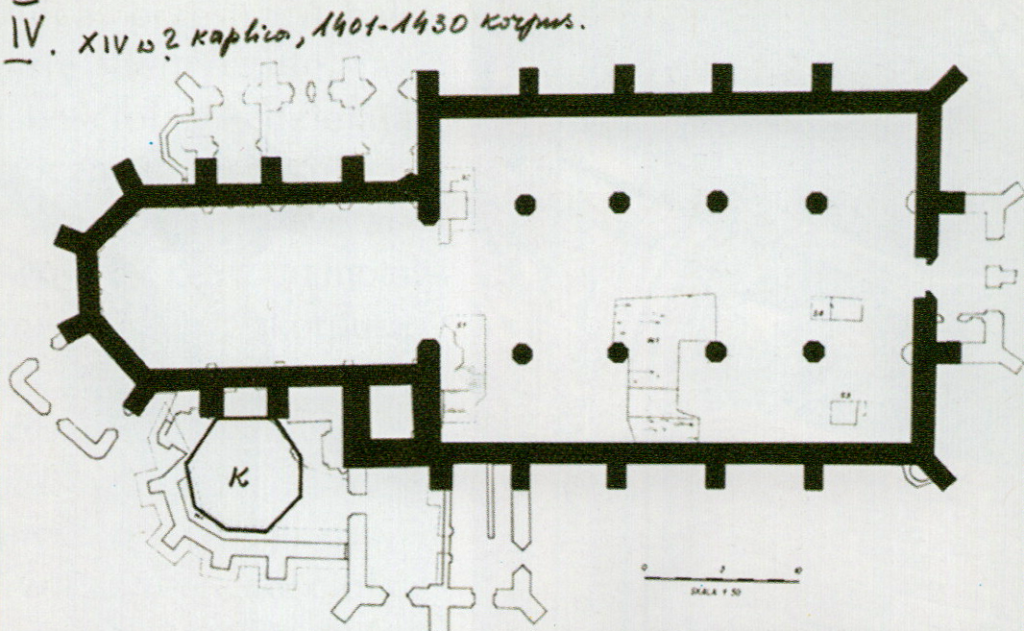
Source: Cz. Lasota, J. Rozpędowski, after: S. Kowalski, Kościół farny w Żarach, Żary 2007.
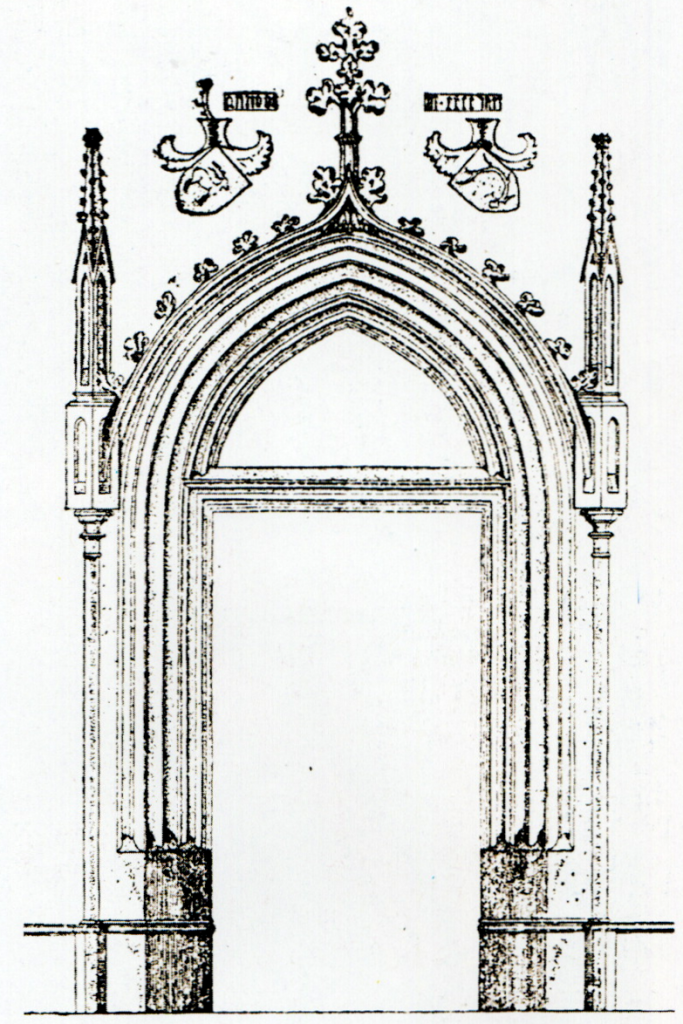
Source: after S. Kowalski, Kościół farny w Żarach, Żary 2007.
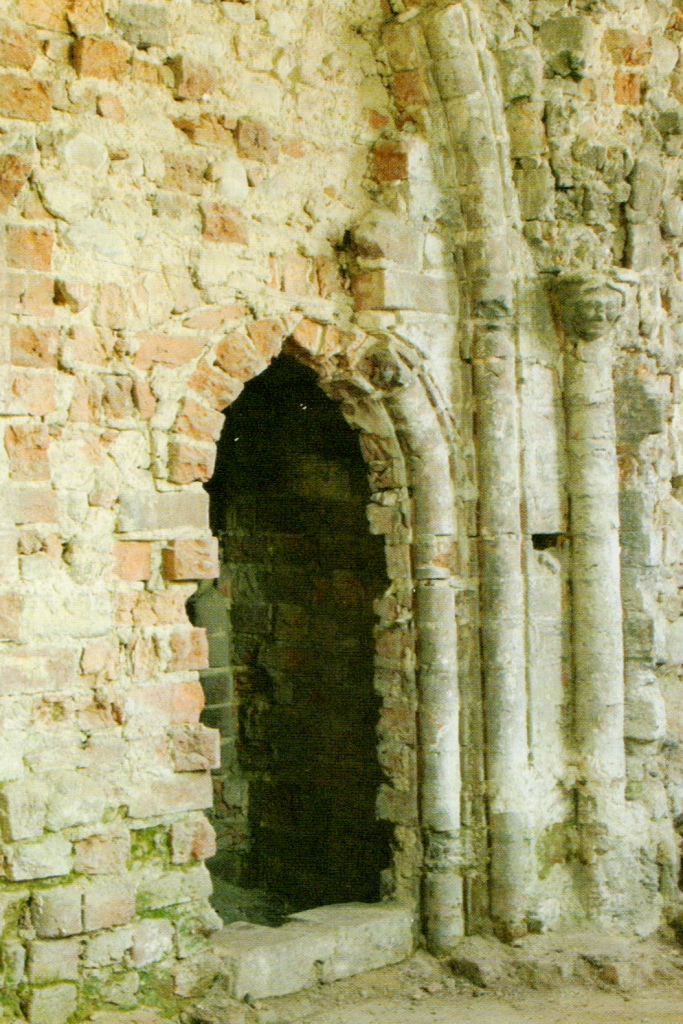
Source: Ireneusz Brzeziński, after: S. Kowalski, Kościół farny w Żarach, Żary 2007.
Furnishings and Late Medieval Extensions
There is no complete information about the decoration and furnishings of the 15th-century church. It is known, however, that in 1473 there were small organs in the presbytery, and in 1496 large organs were built by the local craftsman Martin Hänsel.
In 1501, the interior was renovated. At that time, the church contained twenty altars, and the vaults were covered with polychrome painting, later covered with whitewash.
Probably at the beginning of the 15th century, a fire broke out in the church and partially destroyed it. As a result of the reconstruction, the presbytery was raised by about 2 metres.
In 1445, the Chapel of St Barbara, now serving as the sacristy, was added to the presbytery, together with an emporium, as well as a chapel by the tower and an adjoining porch, which has not survived to the present day. The tower was also raised once again. At the end of the 15th century, the western porch was built, and in 1511, on the site of the Marian Chapel and the porch, a polygonal Baptism Chapel was erected.
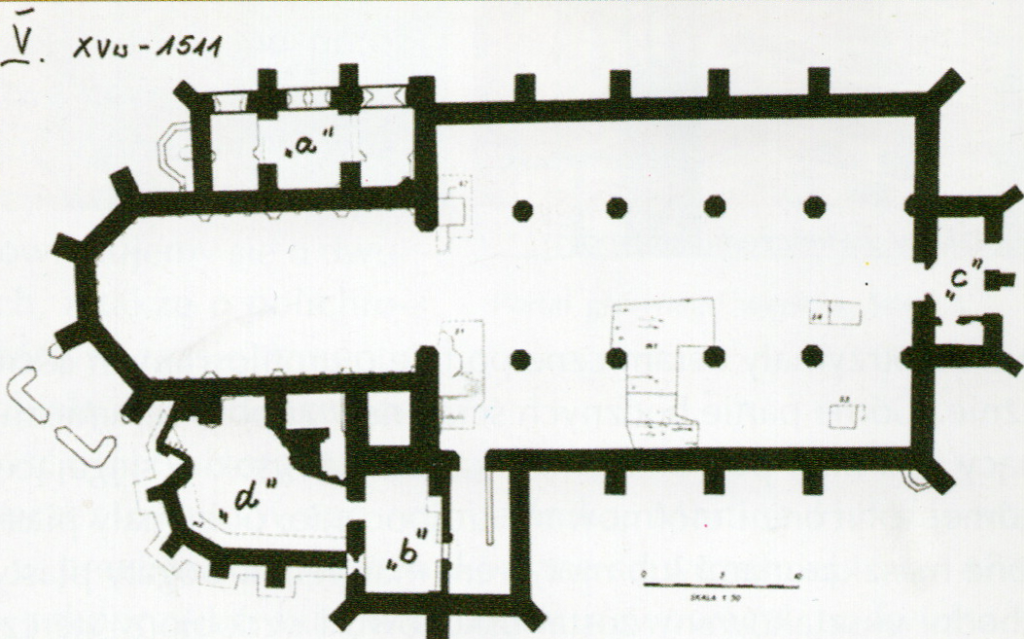
Source: Cz. Lasota, J. Rozpędowski, after: S. Kowalski, Kościół farny w Żarach, Żary 2007.
The Church in the Early Modern Period
In 1528, the last Catholic parish priest left Żary. Lutheran clergy arrived in his place, and the city quickly accepted the ideas of the Reformation. Initially, the introduction of Protestant liturgy did not significantly affect the furnishings of the church. Over time, however, some altars, sculptures and paintings were removed, especially those connected with the cult of the Mother of God.
In 1559, during a storm, the eastern gable of the nave body collapsed. The roof and the vault of the presbytery were destroyed, and the small organs and the high altar were damaged. The roof was rebuilt within two years, while the reconstruction of the vault lasted until 1581. During these works, the tower was raised again, and in 1570 a clock was installed on it.
In 1586, an extraordinary astronomical clock was installed in the church. It showed not only the time, but also days, weeks, months, planetary constellations, moon phases and feast days. It consisted of several elements — a sphere and dials — decorated with moving figures of people and animals. At specific times, the mechanism set the figures in motion, and symbolic scenes were accompanied by sounds, including the song of a nightingale and the crowing of a rooster. The clock was the work of the physicist Michael Hirschfeld, made at the request of Seifrid Promnitz.
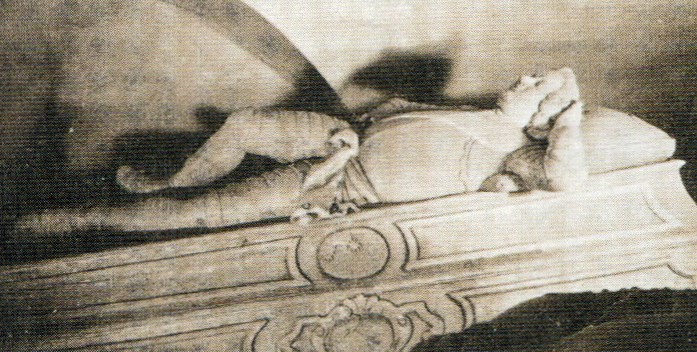
The founder of the clock and his successors were buried in the crypt beneath the Baptism Chapel. Among those buried there were Seifrid Promnitz, Heinrich Anselm Promnitz, Sigismund Promnitz and other members of the family. When the crypt became full, Sigismund’s descendants — Erdmann I and Ulrich — founded a new chapel with a crypt.
The Promnitz Chapel was built in the years 1670–1672 and was added to the eastern wall of the presbytery. From the outside, its architecture is fairly simple, while the interior of the presbytery gained rich artistic decoration. The arcade connecting the chapel with the presbytery was decorated with pairs of pilasters, spiral columns with Corinthian capitals, a broken cornice, an inscription plaque, the Promnitz coat of arms and figures of putti.
The interior of the chapel is decorated with paintings in tondos, framed by rich stucco decoration and sculpted figures of angels. The scenes depict, among others, Cain and Abel, the death of Jacob, Joseph and Potiphar’s wife, the sacrifice of Abraham, David and Solomon, the calling of Moses, and on the vault, among others, God the Father, the Baptism of Christ, the Veil of Veronica, the Entombment and the Resurrection. The author of the paintings was Johann Joachim Vogel from Chemnitz. Work on the decoration of the chapel continued until 1698.
Source: Cz. Lasota, J. Rozpędowski, after: S. Kowalski, Kościół farny w Żarach, Żary 2007.
Source: Cz. Lasota, J. Rozpędowski, after: S. Kowalski, Kościół farny w Żarach, Żary 2007.
The Fire of 1684 and Baroque Furnishings
In 1684, a fire broke out and destroyed the church. The full extent of the losses is not known, but it is known that the fire consumed the multifunctional clock and the church furnishings, including the altar.
The reconstruction was entrusted to the master masons Caspar Müller of Bolesławiec and Stefan Spinetto of Żagań. These works significantly changed the interior of the nave body. The previous exposed brick surfaces of the walls were plastered, and the interior was furnished with two-storey galleries supported by the Gothic pillars and new wooden posts.
The reconstruction of the presbytery was completed in 1694. The new altar was made by the sculptor Caspar Guden of Żagań and the painter Christoph Reichelt of Zittau. The altar included paintings depicting the Last Supper, the Crucifixion and the Entombment, and the whole was crowned with a sculpted figure of the Risen Christ.
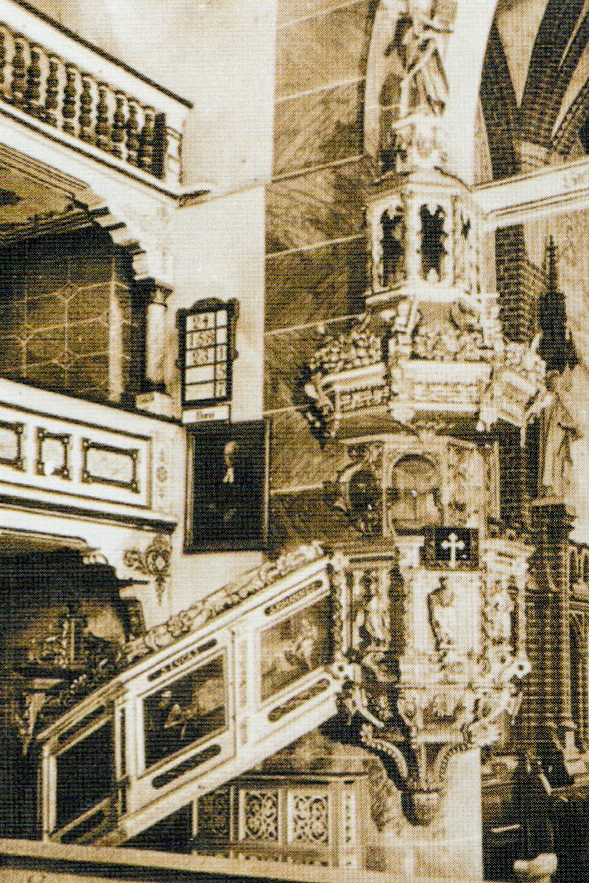
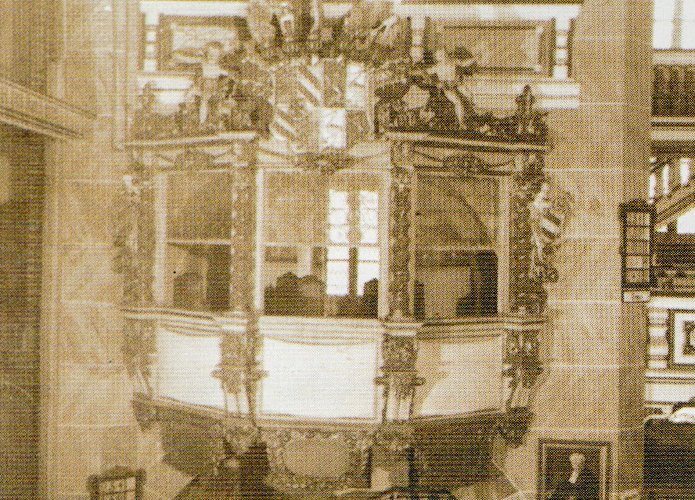
By the rood arch, on the northern side, a new Baroque pulpit was installed, made by the sculptor Abraham Jäger of Fürstenwalde and the painter Johann Joachim Vogel. On the southern side stood the patron’s lodge. On the beam of the rood arch was placed a Crucifixion group, probably made at the beginning of the 17th century.
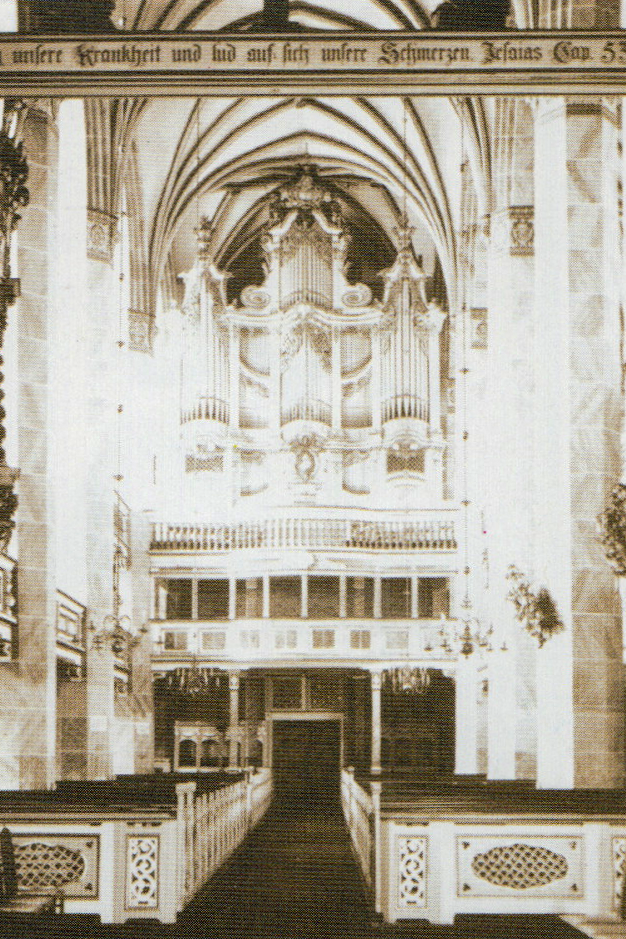
In connection with the construction of the galleries, the lower parts of the Gothic windows were bricked up, and below their axis deep recesses with oval windows were opened to illuminate the space beneath the galleries. The organs destroyed by the fire were initially replaced with a smaller instrument. Only in 1775 did the church receive new, large organs in a Baroque case, built by the outstanding organ builder Johann Gottfried Hildebrandt.
Conservation Works in the 19th and Early 20th Centuries
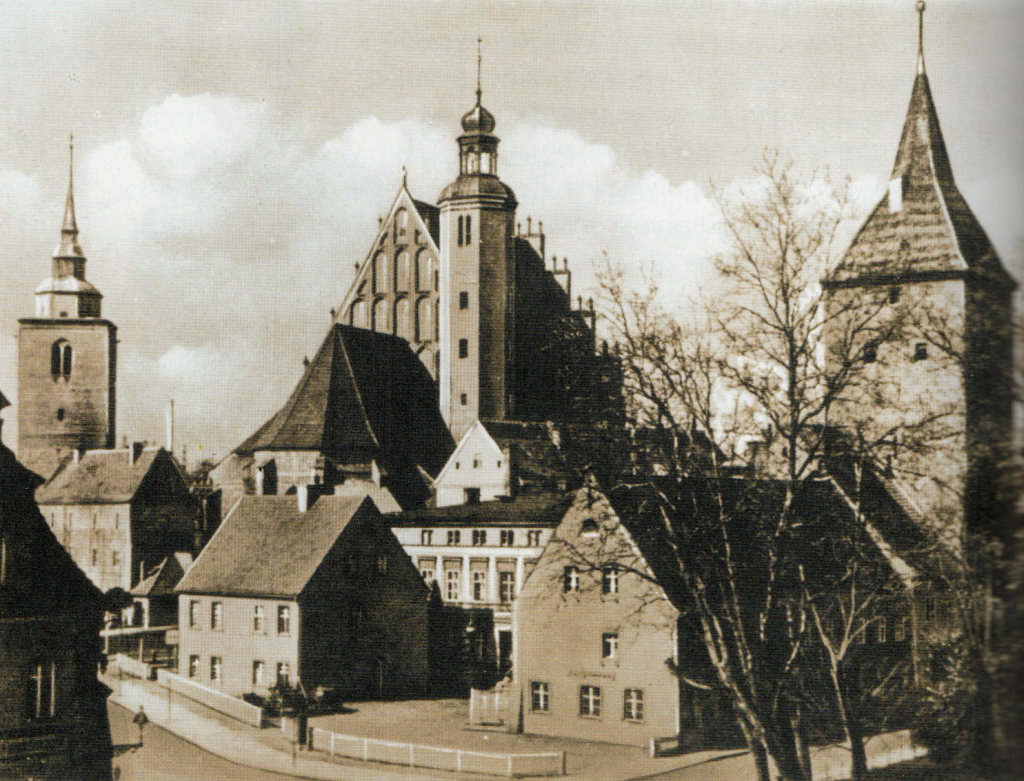
In the years 1870–1896, major construction and conservation works were carried out at the church. Their aim was to refresh the church and give it an appearance corresponding to the aesthetic tendencies of the time. The walls were faced with new clinker brick, and the ribs of the vaults were painted dark red with contrasting white joints.
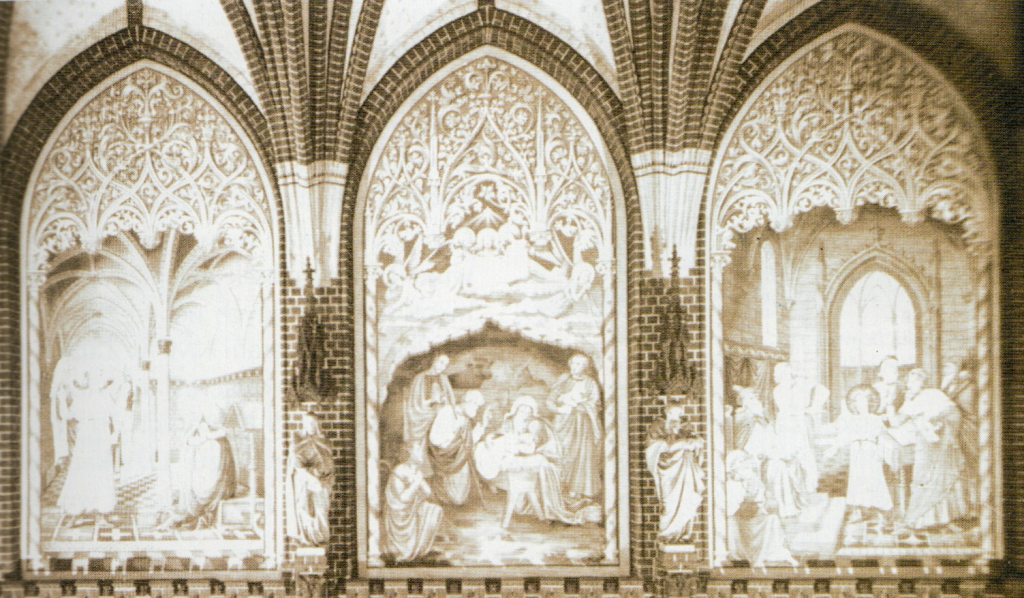
The northern wall received a rich painted decoration, divided by pointed-arch panels. These were filled with figural polychrome scenes depicting the Annunciation, the Nativity of Jesus, the Twelve-Year-Old Jesus in the Temple and Jesus’ meeting with the Samaritan woman. On plinths between the panels stood terracotta figures of the Evangelists as well as Luther and Melanchthon.
At the end of the 19th century, with financial support from the municipal authorities, conservation of all the church elevations was undertaken. In the years 1912–1913, the interior of the nave body was renovated. The walls and pillars were painted in a way imitating sandstone cladding, and above the rood arch a painted scene of Christ enthroned as Judge of the World was placed. The renovation was carried out by the Klenke company from Berlin.
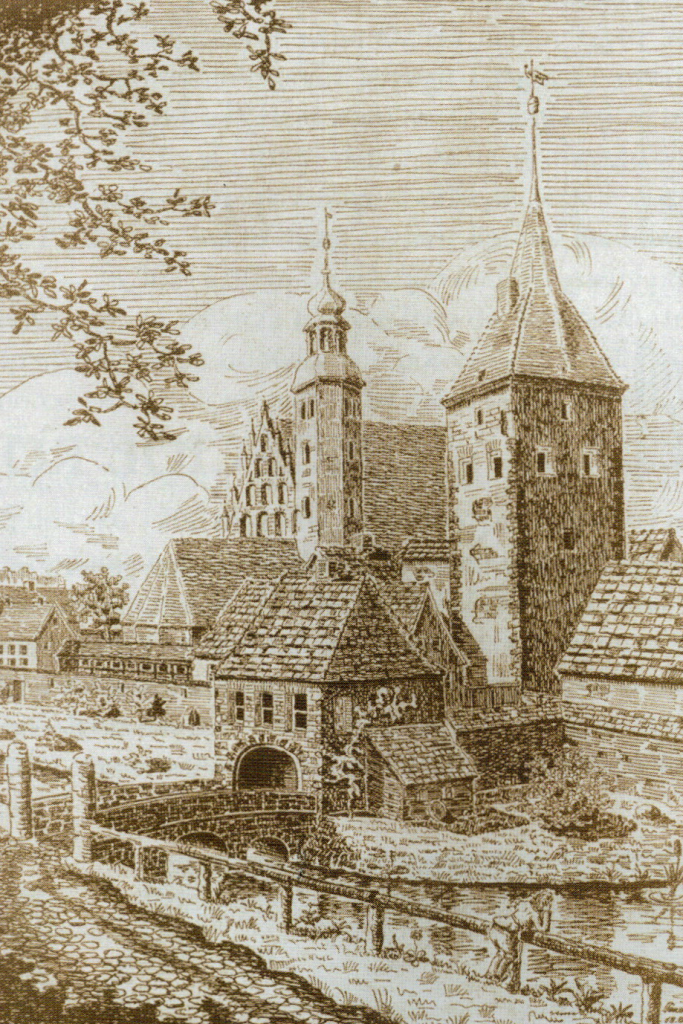
Source: Archive of the Provincial Office for the Protection of Monuments in Zielona Góra, after: S. Kowalski, Kościół farny w Żarach, Żary 2007.
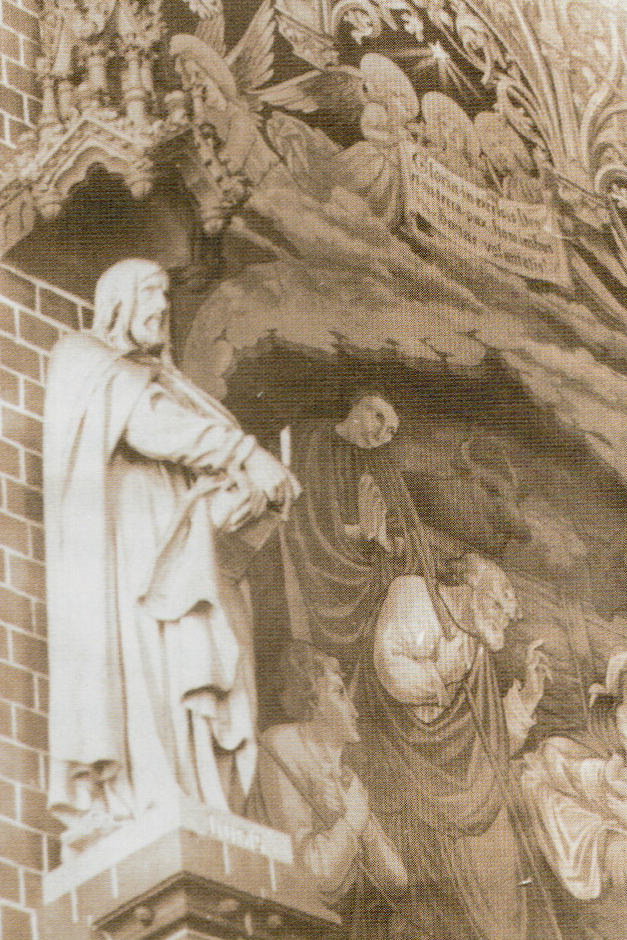
Source: Archive of the Provincial Office for the Protection of Monuments in Zielona Góra, after: S. Kowalski, Kościół farny w Żarach, Żary 2007.
Source: Archive of the Provincial Office for the Protection of Monuments in Zielona Góra, after: S. Kowalski, Kościół farny w Żarach, Żary 2007.
Source: Archive of the Provincial Office for the Protection of Monuments in Zielona Góra, after: S. Kowalski, Kościół farny w Żarach, Żary 2007.
Source: Archive of the Provincial Office for the Protection of Monuments in Zielona Góra, after: S. Kowalski, Kościół farny w Żarach, Żary 2007.
Source: Archive of the Provincial Office for the Protection of Monuments in Zielona Góra, after: S. Kowalski, Kościół farny w Żarach, Żary 2007.
Source: Archive of the Provincial Office for the Protection of Monuments in Zielona Góra, after: S. Kowalski, Kościół farny w Żarach, Żary 2007.
Source: Archive of the Provincial Office for the Protection of Monuments in Zielona Góra, after: S. Kowalski, Kościół farny w Żarach, Żary 2007.
Source: Archive of the Provincial Office for the Protection of Monuments in Zielona Góra, after: S. Kowalski, Kościół farny w Żarach, Żary 2007.
Source: Archive of the Provincial Office for the Protection of Monuments in Zielona Góra, after: S. Kowalski, Kościół farny w Żarach, Żary 2007.
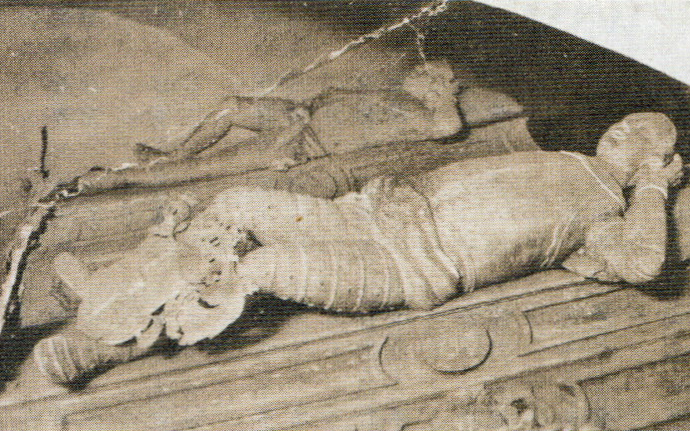
Source: Archive of the Provincial Office for the Protection of Monuments in Zielona Góra, after: S. Kowalski, Kościół farny w Żarach, Żary 2007.
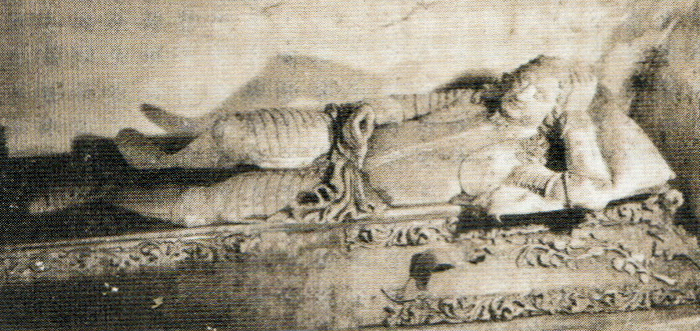
Source: Archive of the Provincial Office for the Protection of Monuments in Zielona Góra, after: S. Kowalski, Kościół farny w Żarach, Żary 2007.
Lost Furnishings
Before the destruction caused by the Second World War and the long period during which the church was unused, the Fara Church possessed numerous works of painting, sculpture and artistic craftsmanship.
Among the elements that have survived to the present day are the paintings, sculptures and stucco decorations of the Promnitz Chapel together with the portal connecting it to the presbytery. In the western porch, the Gothic main entrance portal and a stone-carved tombstone of a clergyman from the second half of the 14th century have survived. Several epitaph slabs from the 16th and 17th centuries, built into the external walls of the church, have also been preserved.
Many other elements of the furnishings must today be regarded as lost or dispersed. It is known that the Żary organs, without their decorative case, were transported in 1948 to the cathedral in Płock. Archival documents indicate that the altar and pulpit were also taken from Żary to unknown locations. Wooden pews, galleries, the patron’s lodge and part of the sculptural decoration were destroyed.
According to the pre-war inventory of monuments, the church contained, among others:
- the high altar from 1694;
- the pulpit from 1698;
- the organs from 1775;
- a sculpted Crucifixion Group from the second half of the 17th century;
- the patron’s lodge from the end of the 17th century;
- galleries and pews;
- brass and glass chandeliers;
- silver chalices, ciboria, jugs and candlesticks;
- bells;
- tin sarcophagi of members of the Promnitz family.
The Fara Church after 11 April 1944
The American air raid on Żary on 11 April 1944 caused major destruction in the urban fabric of the city. The Fara Church also suffered damage. A bomb that fell on the church pierced the eastern bays of the vault of the southern aisle, and the force of the blast destroyed the entire roof covering.
These damages put the church out of use until the end of the war and had a profound impact on its post-war fate. For many years, the efforts of the parish and the Archbishop’s Curia in Wrocław to take over the monument for reconstruction remained unsuccessful.
After 1945, the settlers who arrived in Żary gathered around the Church of the Assumption of the Blessed Virgin Mary, which had not suffered during the war. The Fara Church, deprived of its roof and furnishings, remained in a very poor condition.
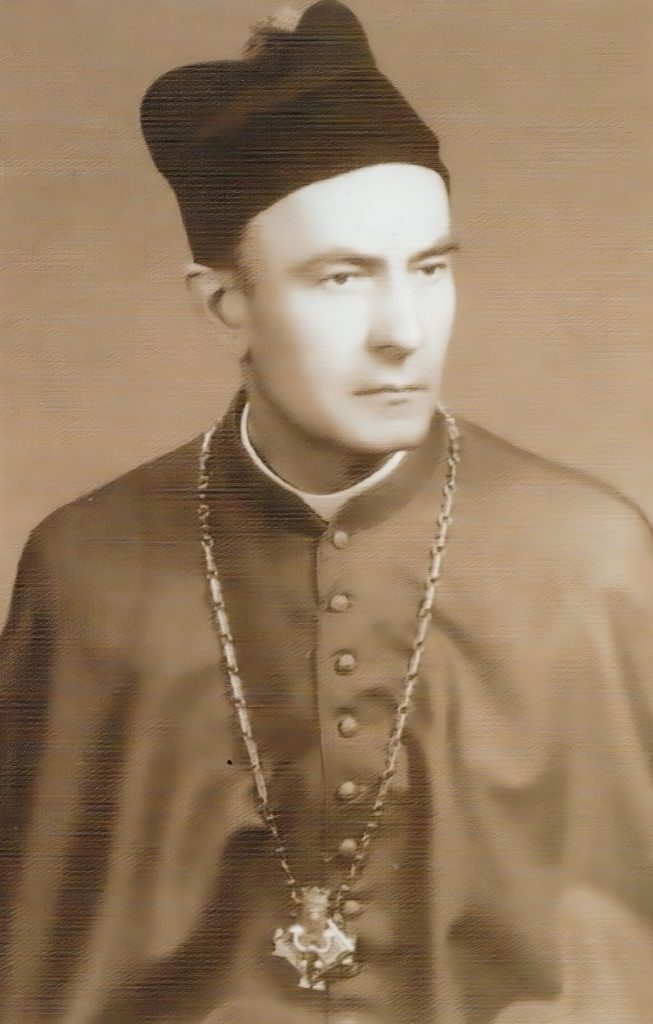
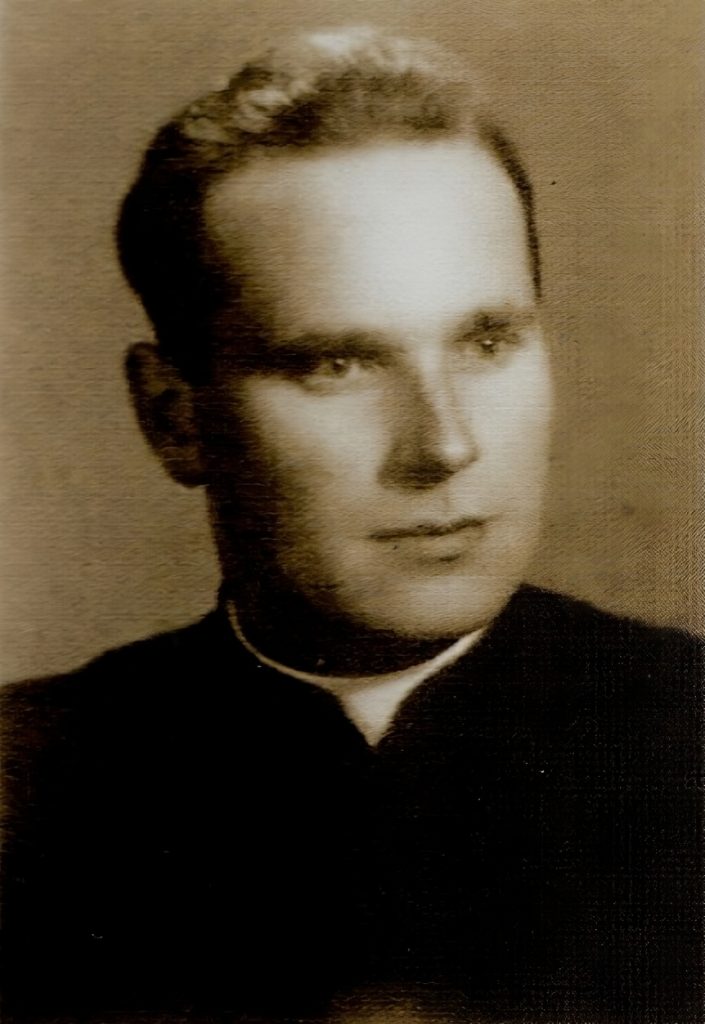
The first attempts at reconstruction were undertaken by parish priest Fr Eweryst Gałązka, who collected building materials. These efforts were interrupted by his arrest by the Security Office. Subsequent parish priests also made attempts to have the Fara Church transferred to the parish, but they encountered resistance or silence from the authorities.
In 1948, the Fara Church was handed over to the Evangelical community, which, because of its small size, was unable to properly care for such a large and damaged building. In the following years, further attempts were made to take over the church by the Roman Catholic parish.
In 1958, thanks to the inclusion of the Fara Church in the register of monuments, a grant was obtained for construction and protective works. This made it possible to repair the roof truss and cover the church roof.
In 1963, the authorities handed the Fara Church over to the Polish Catholic community. Due to difficulties in using the whole building, the presbytery section was separated for their use. The Fara Church was then divided by a brick wall through the bricking up of the opening of the rood arch.
In 1971, after legal changes concerning sacred buildings in the Western and Northern Territories, an unusual situation arose: the presbytery belonged to the Polish Catholic community, while the nave part belonged to the Roman Catholic parish.
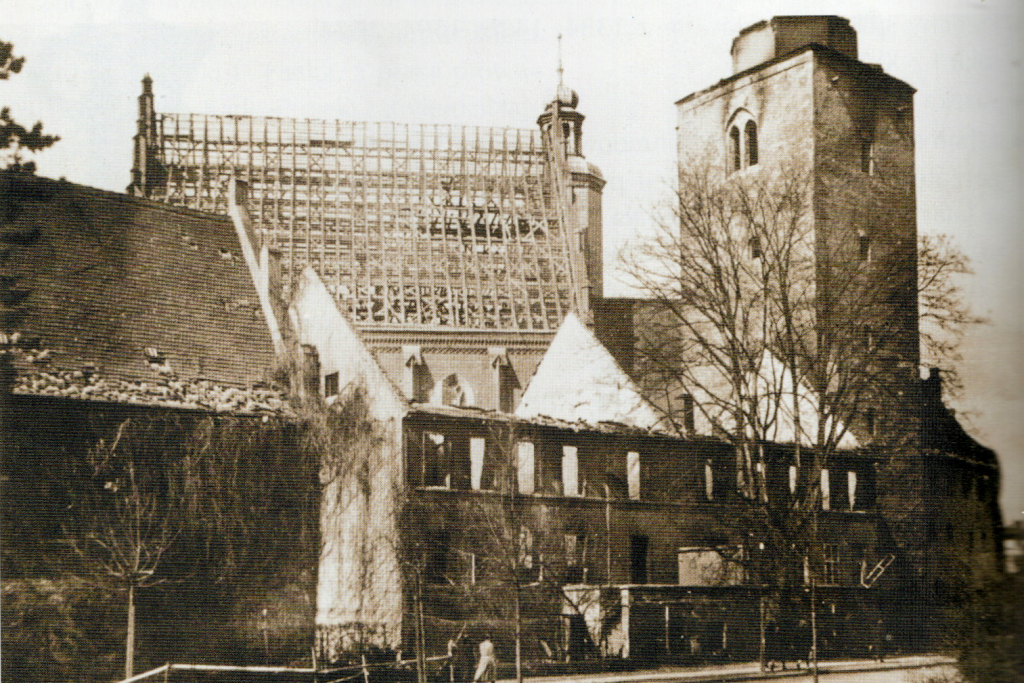
Source: Archive of the Provincial Office for the Protection of Monuments in Zielona Góra, after: S. Kowalski, Kościół farny w Żarach, Żary 2007.
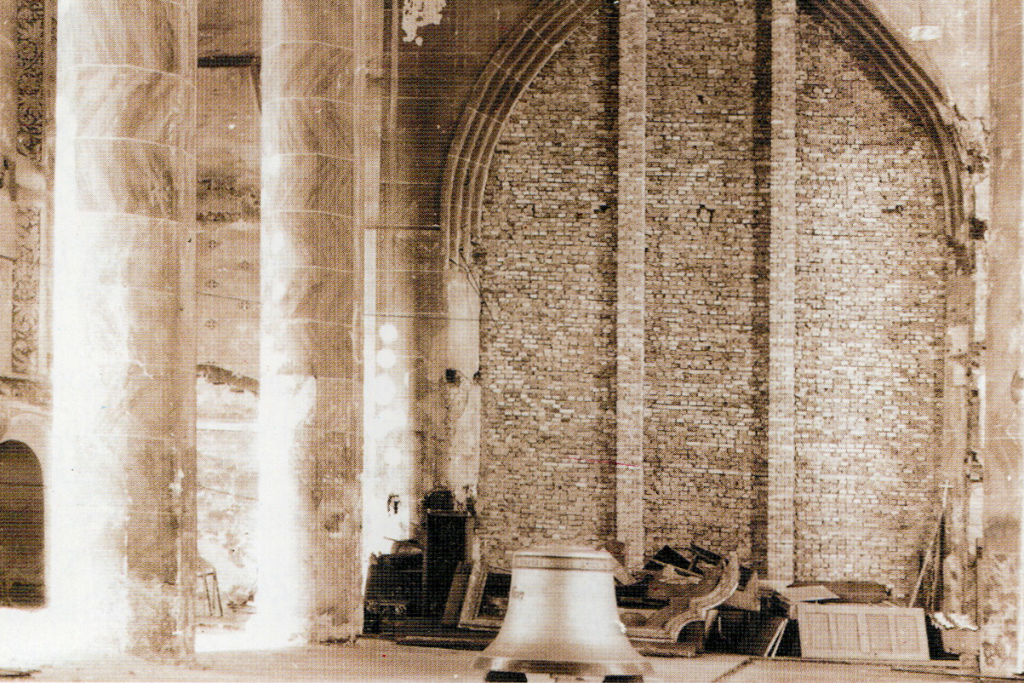
Source: Archive of the Provincial Office for the Protection of Monuments in Zielona Góra, after: S. Kowalski, Kościół farny w Żarach, Żary 2007.
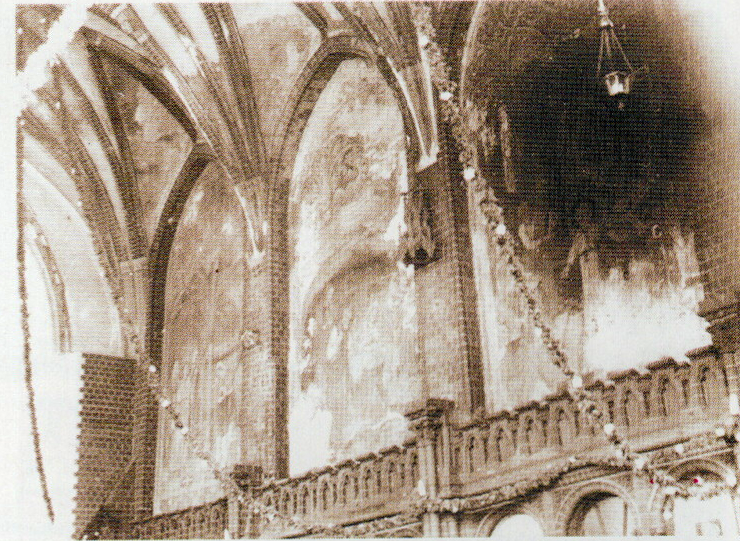
Source: Archive of the Provincial Office for the Protection of Monuments in Zielona Góra, after: S. Kowalski, Kościół farny w Żarach, Żary 2007.
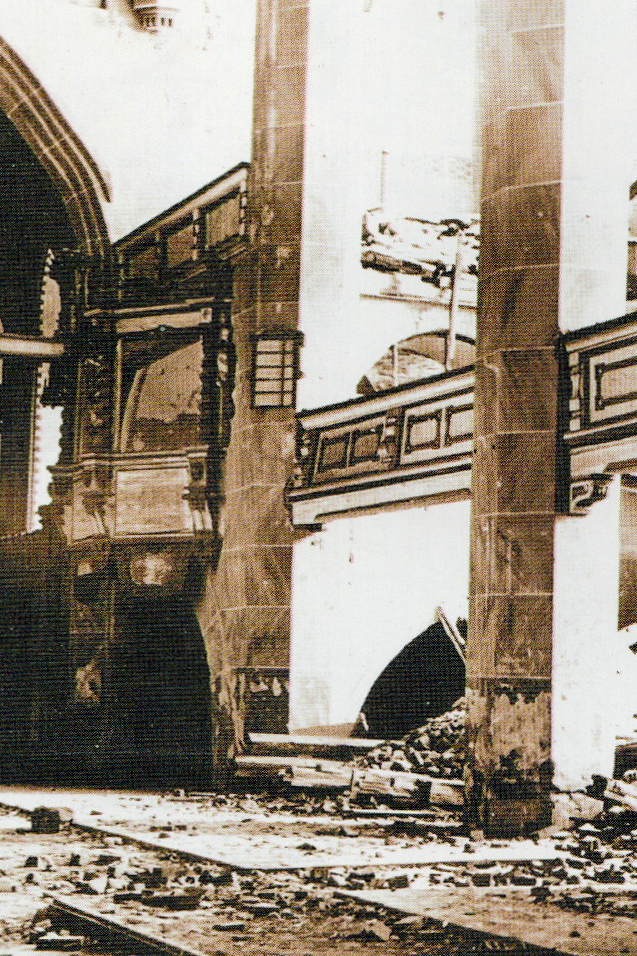
Source: Archive of the Provincial Office for the Protection of Monuments in Zielona Góra, after: S. Kowalski, Kościół farny w Żarach, Żary 2007.
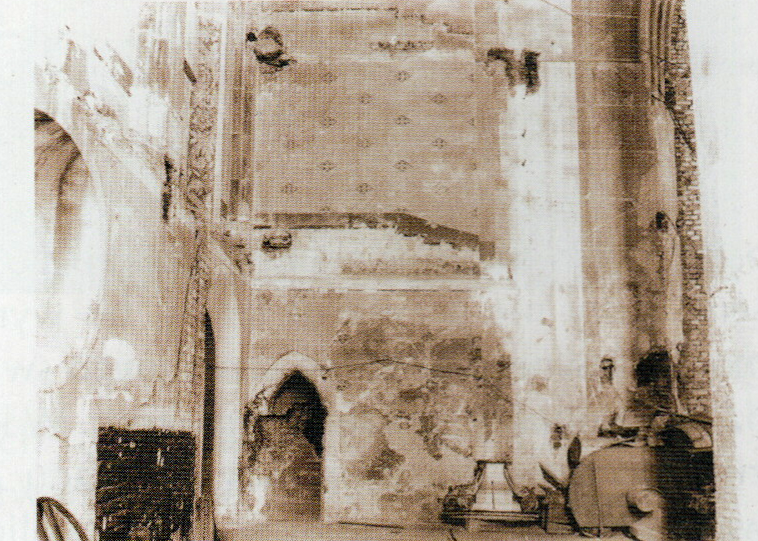
Source: Archive of the Provincial Office for the Protection of Monuments in Zielona Góra, after: S. Kowalski, Kościół farny w Żarach, Żary 2007.
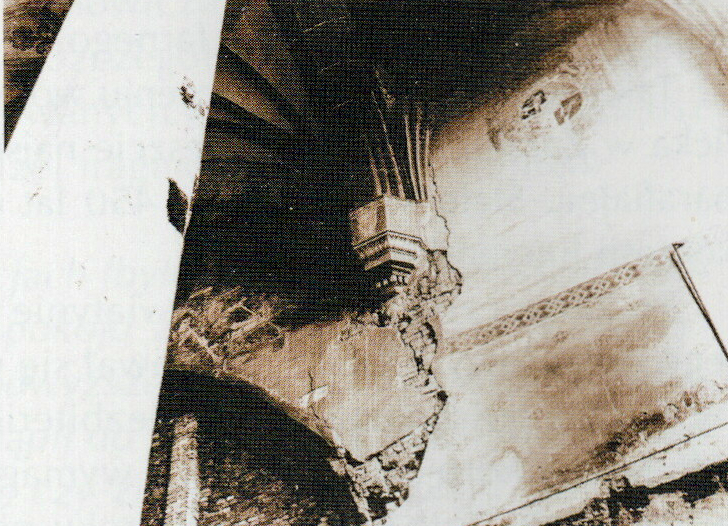
Source: Archive of the Provincial Office for the Protection of Monuments in Zielona Góra, after: S. Kowalski, Kościół farny w Żarach, Żary 2007.
The Time of Reconstruction
After receiving the nave part of the church, Fr Tadeusz Demel began talks with the Polish Catholic community about recovering the rest of the church. This was achieved after two years. The condition was that the parish would renovate, at its own expense, the former hospital church of the Holy Spirit on Żagańska Street and hand it over to the Polish Catholic community. The works were completed in August 1975, and the exchange was made.
Thus, about 30 years after the end of the war, after 28 years of efforts and nearly 450 years after the church had been taken over by the Protestants, the Fara Church returned to the Roman Catholic Church.
The condition of the building in 1975 was very poor. Only the presbytery was in a relatively acceptable state. The roof made after the war had not withstood the test of time, the furnishings had been looted or destroyed, and the eastern wall, the vault and the pillars were badly damaged.
The most difficult task was the structural stabilisation of the eastern wall with the rood arch, which had been severely cracked after the bomb explosion in 1944. The works were carried out according to the design and recommendations of engineer Józef Hermanowicz. They were executed by craftsman Kazimierz Furmanek with assistants, while engineer Józef Kirziejonka supervised the documentation and supply of materials.
On 15 June 1980, the rebuilt Fara Church was blessed. The reconsecration of the church was performed by the Servant of God Bishop Wilhelm Pluta. The church received the dedication of the Sacred Heart of Jesus and became the parish church of the new parish in the city.
After the establishment of the parish, further reconstruction works were taken over by parish priest Fr Tadeusz Kleszcz. The furnishings of the church were then arranged: a new altar table was made, together with a tabernacle of copper sheet, oak confessionals and pews. The Stations of the Cross were made by the Żary painter Stanisław Antosz, and the chandelier-type lighting fixtures were made by a company from Poznań.
In the years 1981–1983, the design and construction of the organs took place. The concert-class instrument was designed by Feliks Rączkowski from Warsaw and built by the company of Stanisław Bożko from Wrocław. The organ mechanism was fitted into a 19th-century organ case brought from the church in Świerzawa near Jelenia Góra.
In the years 2001–2005, a thorough renovation of the church roof was carried out and the Chapel of Perpetual Adoration was built.
Source
Prepared on the basis of the publication:
Stanisław Kowalski, Kościół farny w Żarach, Pomorska Oficyna Wydawniczo-Reklamowa s.c., Żary 2007.